

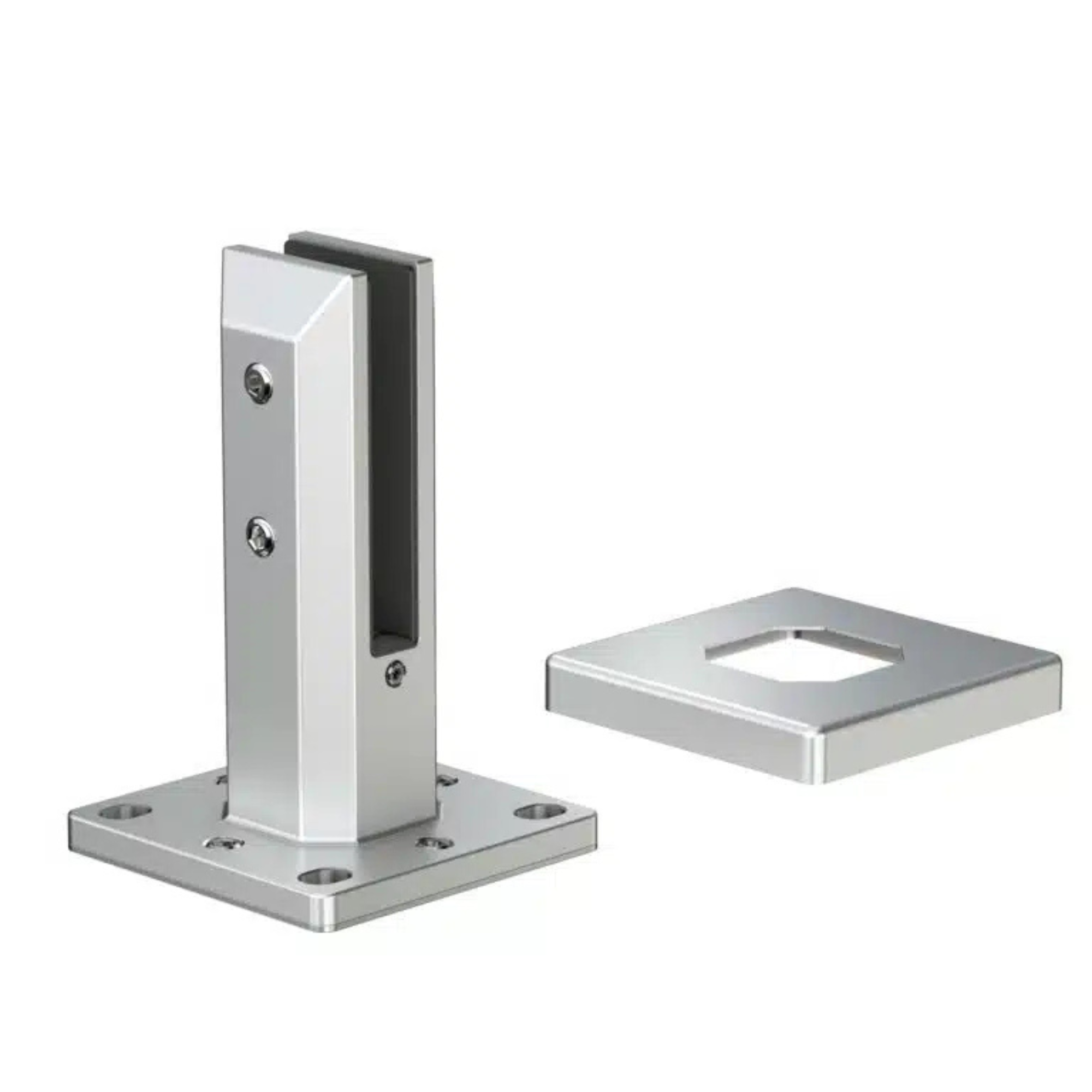
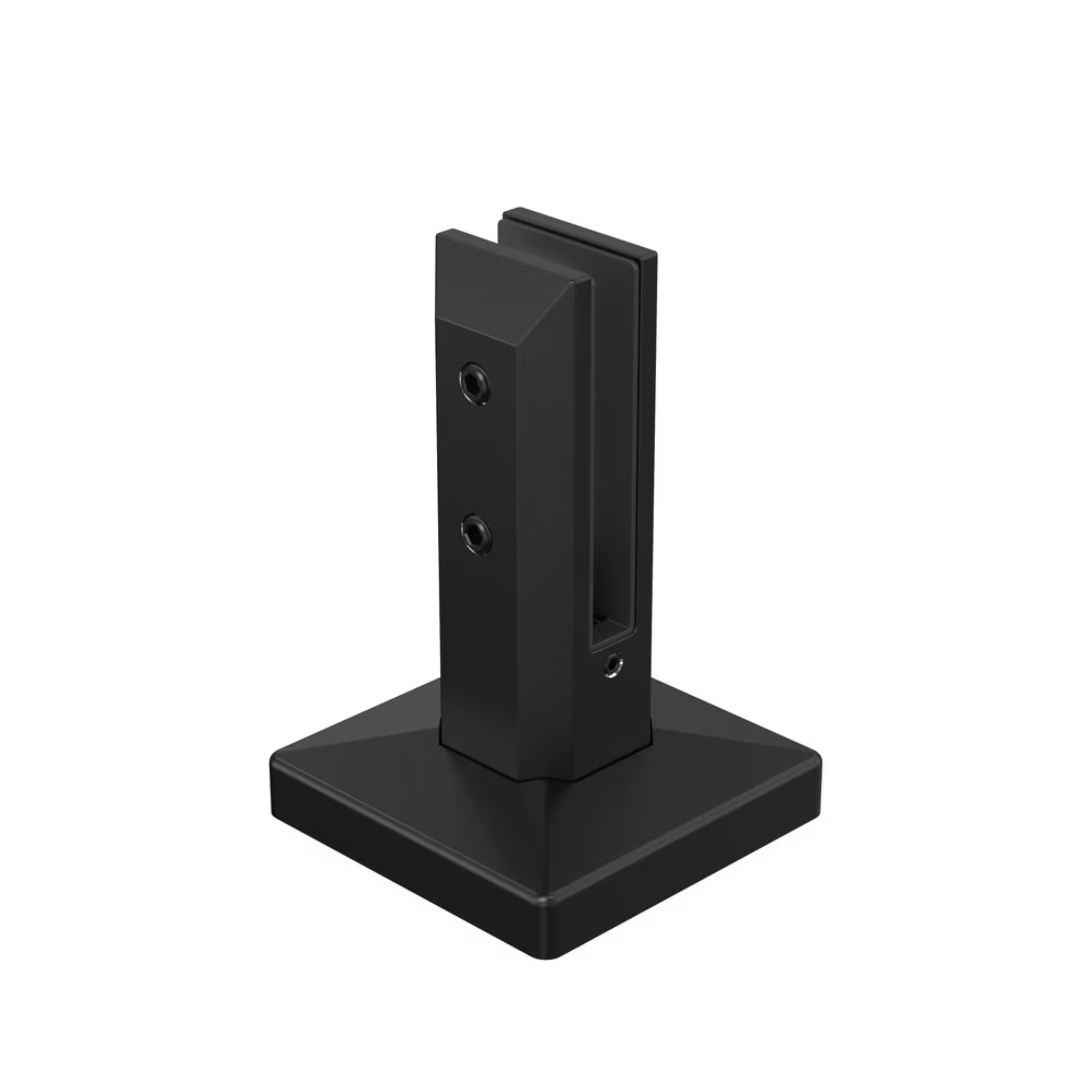
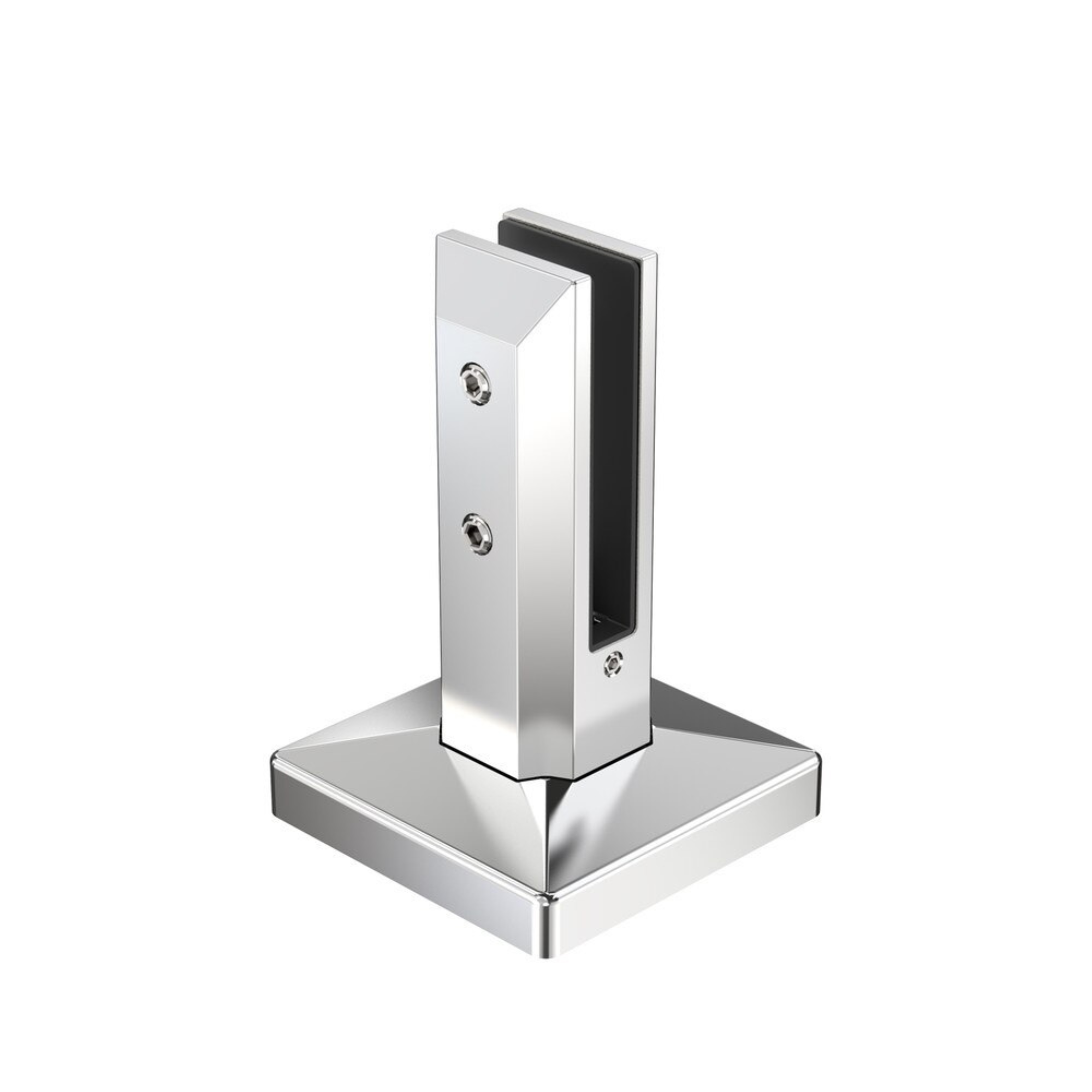
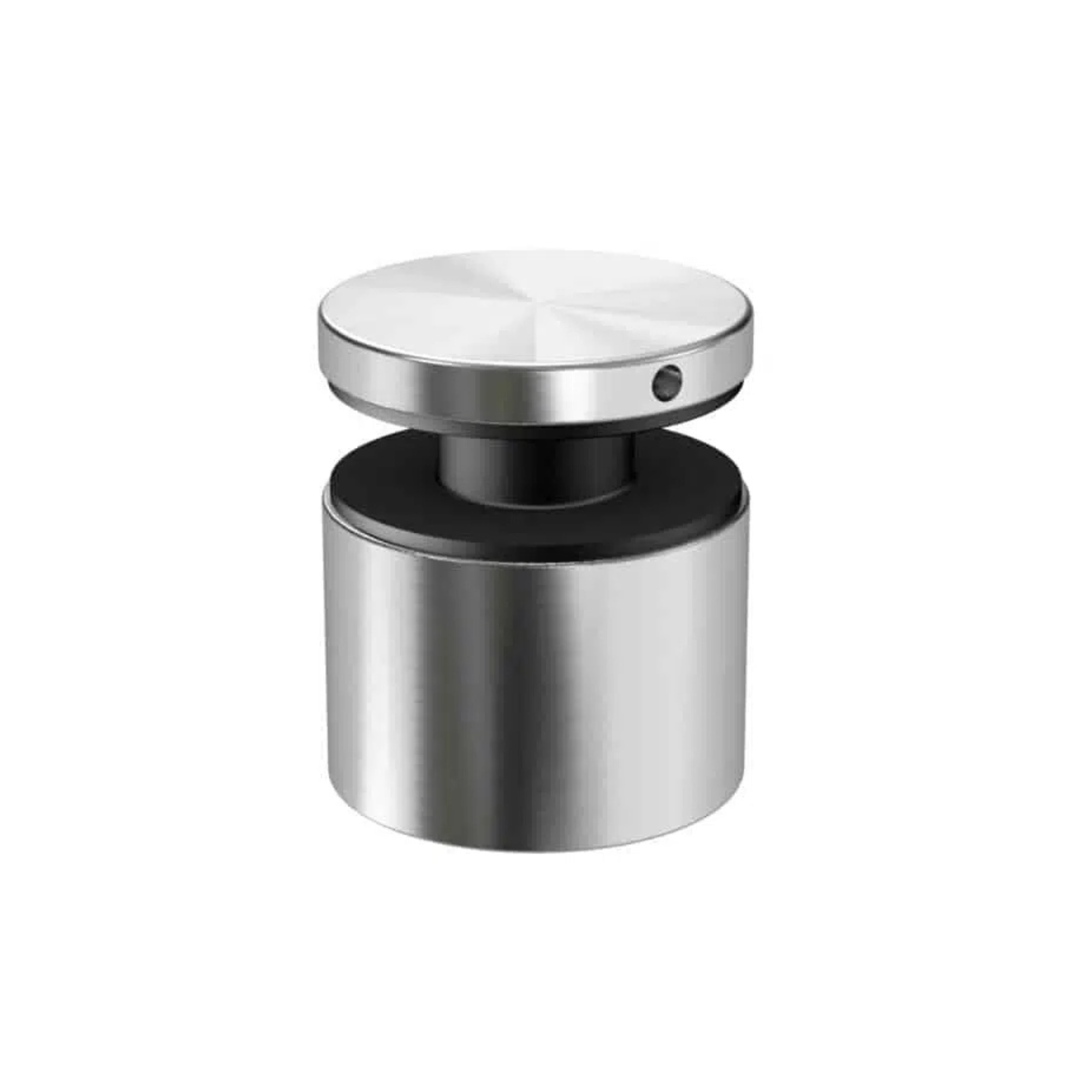
When shopping for frameless glass railing hardware, stainless steel is often treated as a single category. In reality, not all stainless steels perform the same, especially outdoors or near water. The grade of stainless steel used in spigots, channels, and fasteners directly affects strength, corrosion resistance, and long-term reliability.
This guide explains the real-world differences between 2205 duplex stainless steel, 316 stainless steel, and 304 stainless steel, and why material choice matters—particularly in demanding environments like the Great Lakes region.
Understanding Stainless Steel Grades (in Plain Terms)
Stainless steel grades are defined by their chemical composition and internal structure. These differences influence how strong the material is, how well it resists corrosion, and how it performs over time.
The three most commonly discussed grades in glass railing applications are 304, 316, and 2205.
304 Stainless Steel
304 stainless steel is one of the most widely used grades in general manufacturing. It performs well indoors and in drier, non-corrosive environments, which is why it’s common in appliances and interior fixtures.
Where 304 falls short is exterior exposure, specifically anywhere salt or chlorine may be present. Due to it's alloy, it has limited resistance to chlorides and moisture, which can lead to surface corrosion or staining over time. In regions with humidity, ice-melt salts, or proximity to consistent water exposure, 304 is typically not recommended for exterior glass railing hardware.
Best suited for:
Interior applications


316 Stainless Steel: The Traditional Outdoor Upgrade
316 stainless steel improves on 304 by adding molybdenum, which increases resistance to corrosion—particularly from salt and moisture. This makes 316 a common choice for outdoor railings, coastal projects, and pool environments.
For many years, 316 has been considered the “marine-grade” standard in railing hardware. It performs well in a wide range of exterior conditions and is still widely used across the industry.
However, while 316 offers good corrosion resistance, its corrosion resistance is significantly less than the 2205 duplex stainless steel, and its strength is similar to 304. We have often heard of 316 SS beginning to rust or stain around pools and coastal environments.
Best suited for:
General exterior use where corrosion resistance is needed but extreme strength is not critical.


2205 Duplex Stainless Steel: Strength and Corrosion Resistance Combined
2205 duplex stainless steel is engineered differently from 304 and 316. Its “duplex” structure combines two internal phases, resulting in a material that is both significantly stronger and more corrosion-resistant than traditional austenitic stainless steels.
From a performance standpoint, 2205 offers:
- Roughly twice the yield strength of 316
- Higher tensile strength
- Excellent resistance to pitting and crevice corrosion
- Strong performance in wet, cold, and chloride-rich environments
For frameless glass railing, this higher strength allows hardware to carry loads more efficiently while maintaining a compact, refined profile. And you can have piece of mind that your investment in a glass railing contains the best product on the market.


Why Strength Matters in Glass Railing Hardware
Glass railing systems rely on hardware to securely hold large, heavy panels under constant load. Stronger materials allow for:
- More rigid support
- Better long-term alignment
- Reduced risk of deformation over time
In climates where freeze–thaw cycles, wind loads, and seasonal movement are common, material strength becomes especially important.
Corrosion Resistance in Great Lakes Environments
The Great Lakes region presents unique challenges for exterior metal components. Moisture, temperature swings, road salts, and lake air all contribute to long-term corrosion risk.
While 316 performs well in many outdoor conditions, 2205 provides an additional margin of protection—making it well suited for waterfront properties, elevated decks, and other exposed applications.
Why Some Manufacturers Choose 2205
Companies like Hardware & Glass use 2205 duplex stainless steel in key railing components because it balances durability, strength, and longevity. Rather than compensating for weaker materials with bulkier designs, stronger steel allows for hardware that is both refined and robust.
This focus on material performance supports easier installation, long-term reliability, and cleaner aesthetics.
Comparing the Grades at a Glance
- 304 Stainless Steel: Suitable for interior use; limited corrosion resistance outdoors
- 316 Stainless Steel: Good exterior performance; traditional marine-grade option
- 2205 Duplex Stainless Steel: Higher strength and superior corrosion resistance; ideal for demanding exterior environments
Settle For The Best
Choosing stainless steel hardware isn’t just about selecting “stainless”—it’s about selecting the right grade for the environment and application. For frameless glass railing, where safety, durability, and appearance all matter, material choice plays a critical role in long-term performance.
While 304 and 316 have their place, 2205 duplex stainless steel offers a higher level of confidence for projects exposed to weather, moisture, and structural demands—making it an increasingly preferred choice in modern glass railing systems.

