

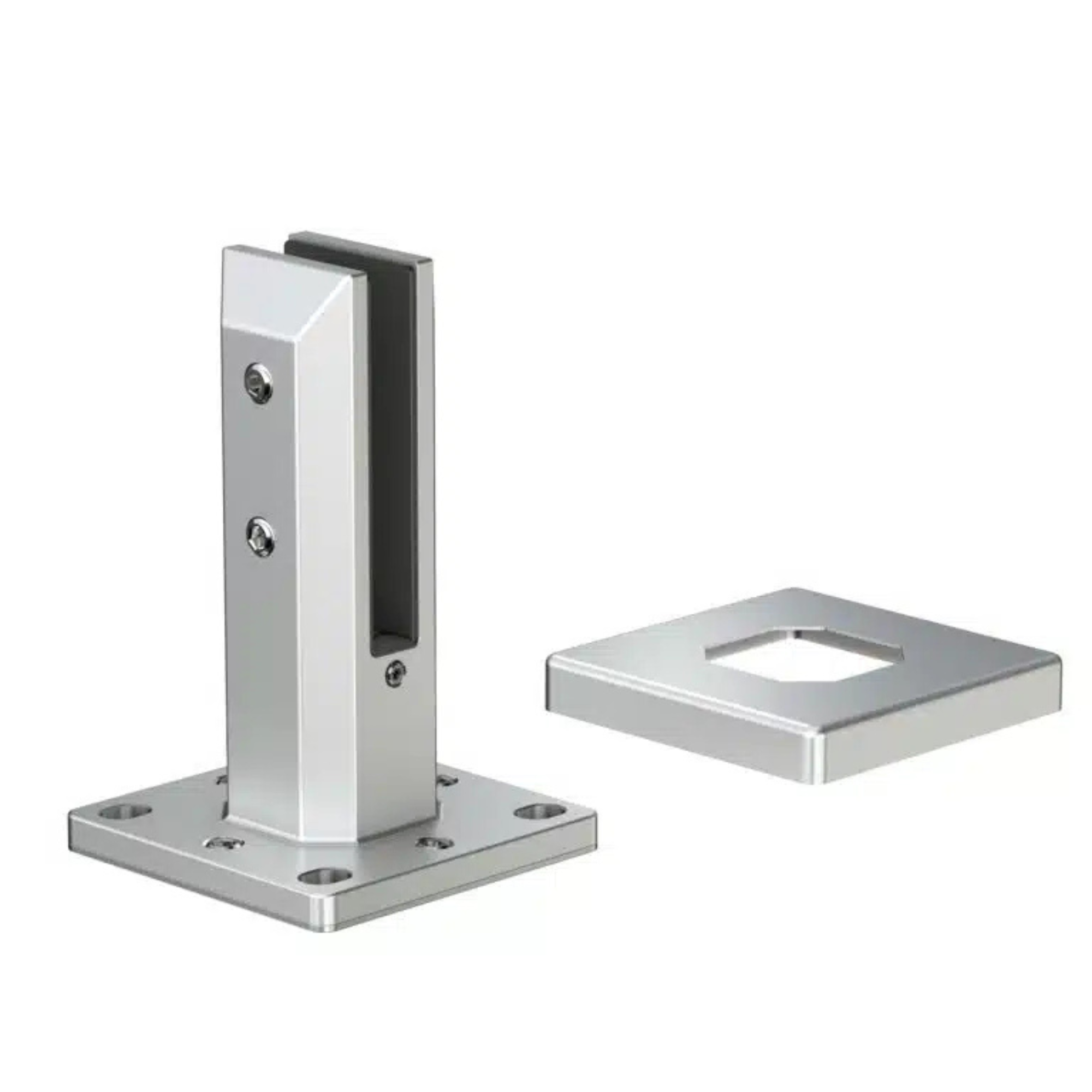
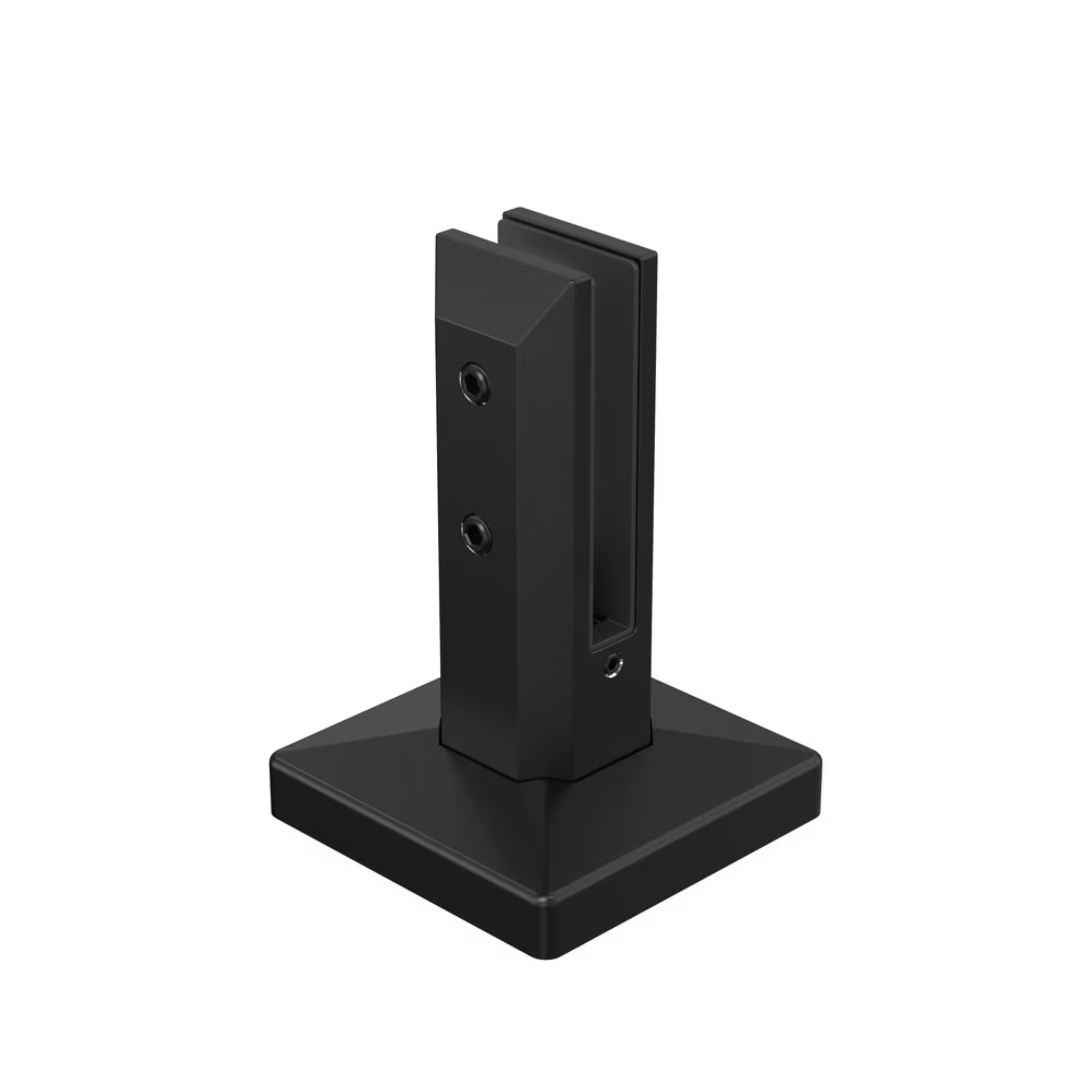
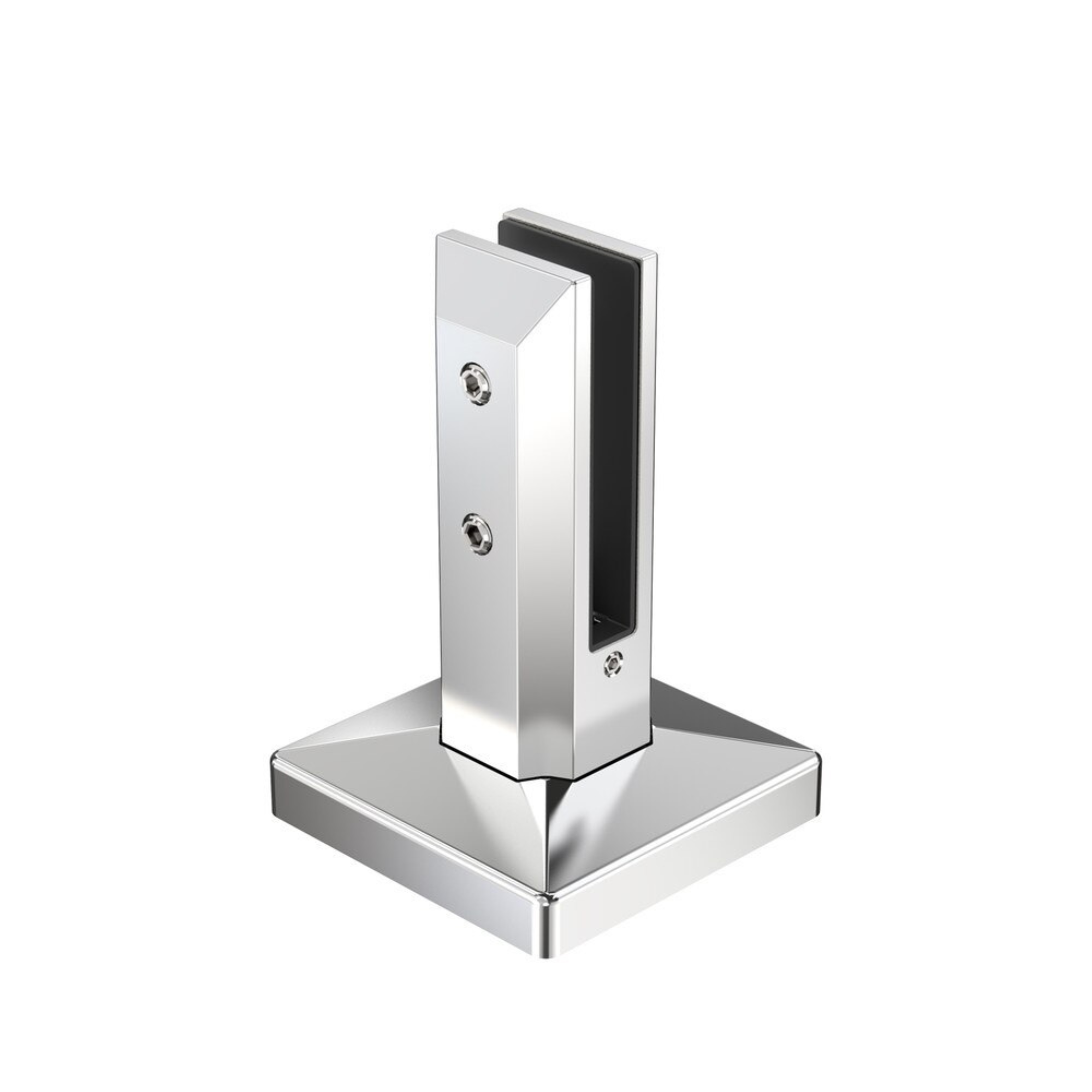
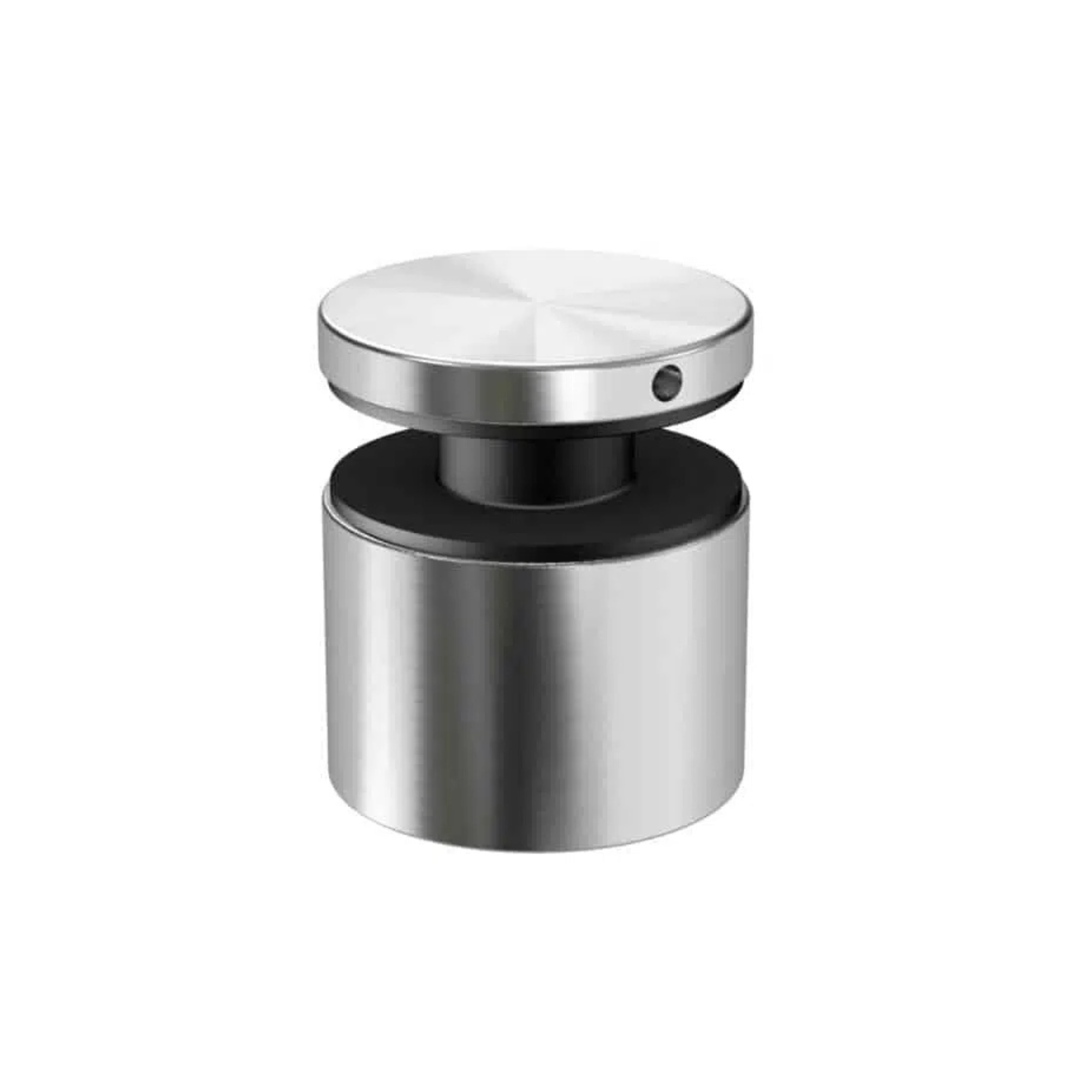
Frameless glass railing delivers a clean, modern look but only when it’s installed correctly. Most installation issues don’t come from the glass itself; they come from gaps in planning, surface preparation errors, or using hardware that isn’t designed for real world conditions.
Understanding the most common mistakes ahead of time can save time, money, and frustration and lead to a finished railing that performs as well as it looks.
Mistake #1: Assuming the Surface Is Level
One of the most frequent installation challenges is discovering too late that a deck or concrete slab isn’t perfectly level. Even small variations can cause glass panels to lean or misalign if the system doesn’t allow adjustment.
How to avoid it:
Check level across the entire run before installation begins. Choosing a system with built in adjustability (such as our products) allows the glass to be aligned after placement, rather than forcing installers to rely on shims or rework the surface.

Mistake #2: Underestimating Structural Support
Frameless glass railing is a structural barrier, not a decorative feature. Installing it on a deck edge or slab that lacks proper reinforcement can lead to movement over time.
How to avoid it:
Confirm that the structure is sound and capable of handling the required loads. Wood decks may need added blocking or edge reinforcement, while concrete surfaces should be free of cracking near anchor points.
Mistake #3: Incorrect Hardware Selection
Not all glass railing hardware performs the same way, especially outdoors. Using hardware not designed for exterior exposure or regional conditions can lead to corrosion, loosening, or premature wear.
How to avoid it:
Select hardware specifically engineered for frameless glass railing and outdoor environments. Corrosion resistant materials and purpose built components reduce long term risk and maintenance. This is an area where our hardware excels as it is either constructed from 2205 Marine Grade Stainless Steel or high grade, corrosion resistant Aluminum.
Mistake #4: Rushing Measurements
Glass panels are typically custom fabricated, which means inaccurate measurements can delay a project or require costly replacements. Errors often happen around corners, transitions, or stair runs.
How to avoid it:
Measure carefully and verify all dimensions before ordering glass. Account for spacing, end conditions, and any changes in elevation. Taking extra time during this step prevents major setbacks later.
Mistake #5: Improper Glass Alignment During Install
Trying to force panels into alignment by tightening hardware unevenly can put stress on the glass and compromise the system.
How to avoid it:
Install glass gradually and evenly, making small adjustments as needed. Systems designed with alignment features help distribute pressure correctly and make it easier to achieve a clean, plumb finish.

Mistake #6: Ignoring Drainage and Exposure
Water trapped around base hardware or channels can cause long term issues, especially in climates with snow and freeze/thaw cycles.
How to avoid it:
Ensure mounting areas allow proper drainage and aren’t sealed in a way that traps moisture. Exterior installations should always account for seasonal weather exposure.
Mistake #7: Skipping the Final Inspection
Once the glass is installed, it’s tempting to consider the project finished. Skipping a final check, however, can allow small issues to go unnoticed.
How to avoid it:
Perform a final walkthrough to confirm panels are plumb, fasteners are secure, and hardware is properly seated. A few minutes of inspection can prevent long term problems.
Why System Design Matters
Many installation mistakes stem from working around limitations in the hardware itself. Systems designed with adjustability, strength, and installer efficiency in mind help reduce the need for workarounds and corrections on site.
This is why well engineered systems, like those offered by Great Lakes Glass Hardware, focus on solving common installation challenges before they happen.

