

Frameless glass railing is a popular choice for homeowners who want safety without sacrificing views—but it also comes with a lot of questions. Below are the answers to the most common things homeowners ask before starting a project, based on real-world installations and industry best practices.
Is frameless glass railing safe?
Yes. Frameless glass railing systems are designed as structural safety barriers and must meet building code requirements for load and height. The glass used is safety-rated (typically tempered or laminated), and the hardware is engineered to securely support the panels well beyond everyday use.
When properly specified and installed, frameless glass railing is even safer than your traditional railings. With no bars to climb and a solid barrier, glass railing is an amazing solution when safety is desired.

What type of glass is typically used?
Most residential systems use tempered glass, laminated glass, or a combination of both, depending on location and local code requirements.
Unlike untempered glass found in a drinking glass or window pane, tempered glass is heat-treated for extreme strength and breaks into small, blunt pieces if damaged. Similar to a windshield, laminated glass includes an interlayer sandwiched between two tempered panels that holds the panel together even if cracked, which many homeowners prefer for elevated or exterior applications.
Does frameless glass railing meet building codes?
In most cases, yes—but local codes vary. Requirements may include minimum railing height, glass thickness, and load performance.
Because codes can differ by municipality, it’s always recommended to confirm local requirements before installation. Using hardware systems designed specifically for glass railing makes compliance far easier than attempting to adapt general-purpose components.
How does frameless glass railing hold up in Great Lakes weather?
The short answer is: Yes! Our quality hardware is designed to handle moisture, wind, temperature swings, and freeze–thaw cycles common in the Great Lakes region. Routine inspections and basic cleaning help ensure long-term durability, but no seasonal removal or refinishing is required. The vast majority of our glass railing hardware is designed to meet Florida hurricane wind requirements. With the correct installation, these will be more than sufficient for Great Lakes weather.

Is frameless glass railing hard to install?
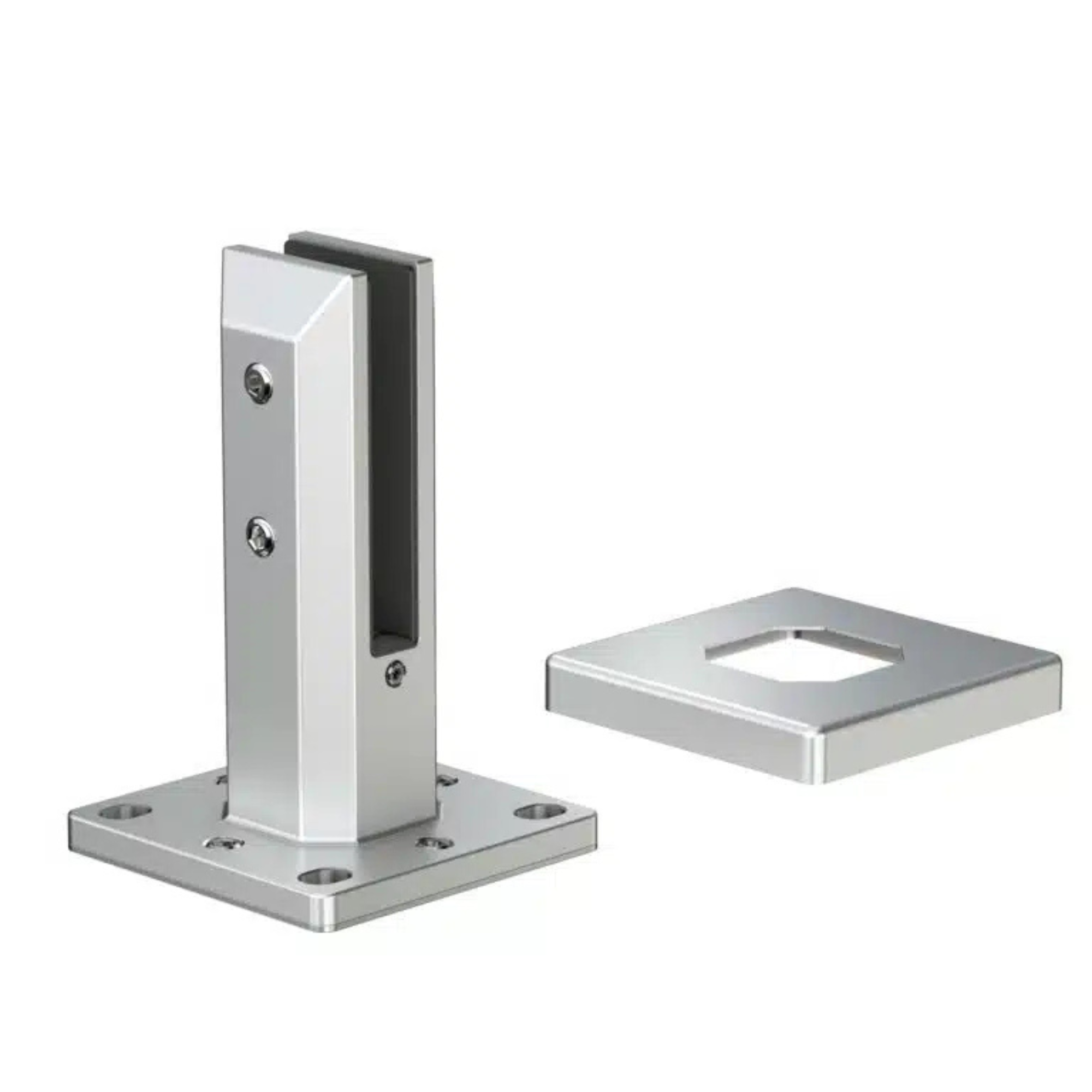
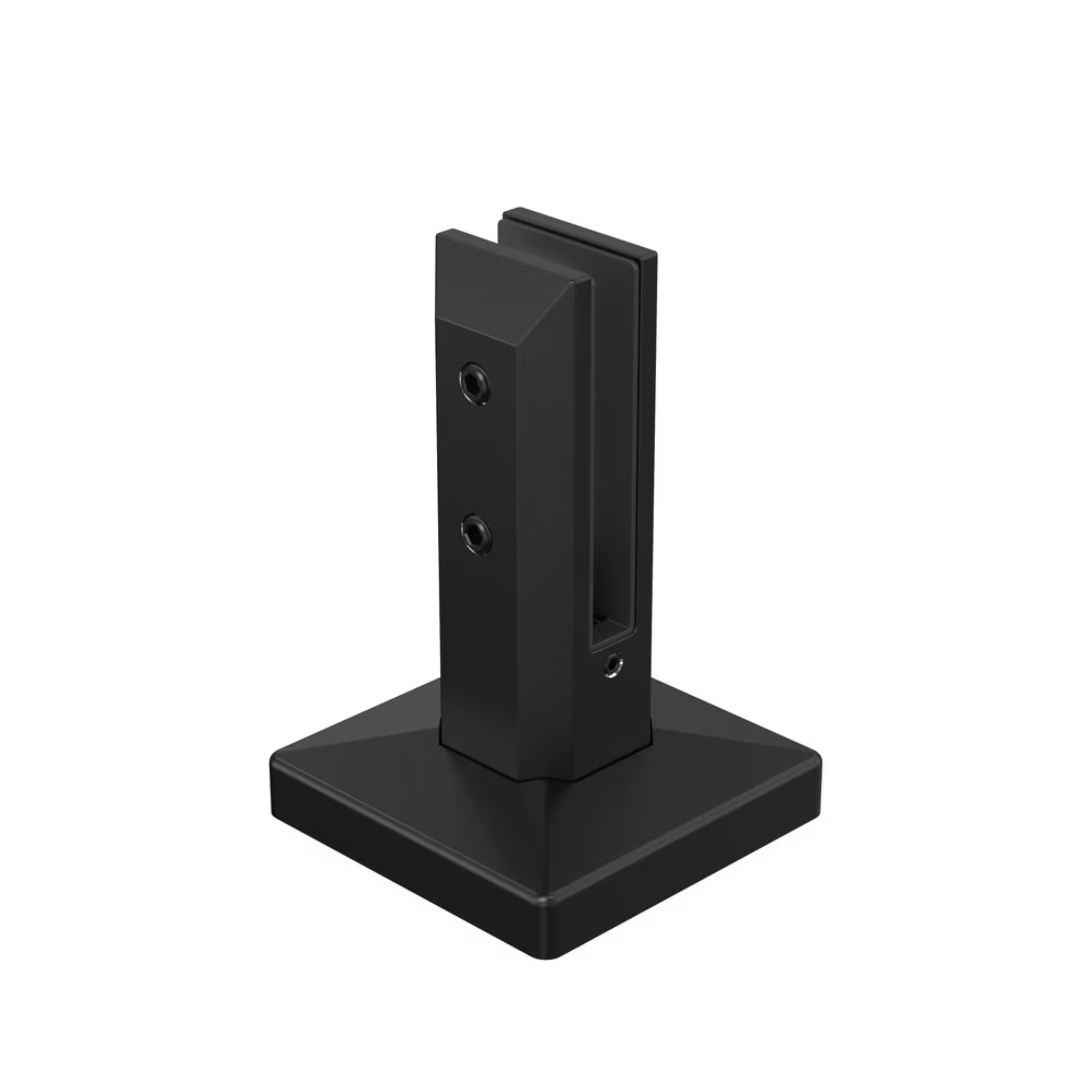
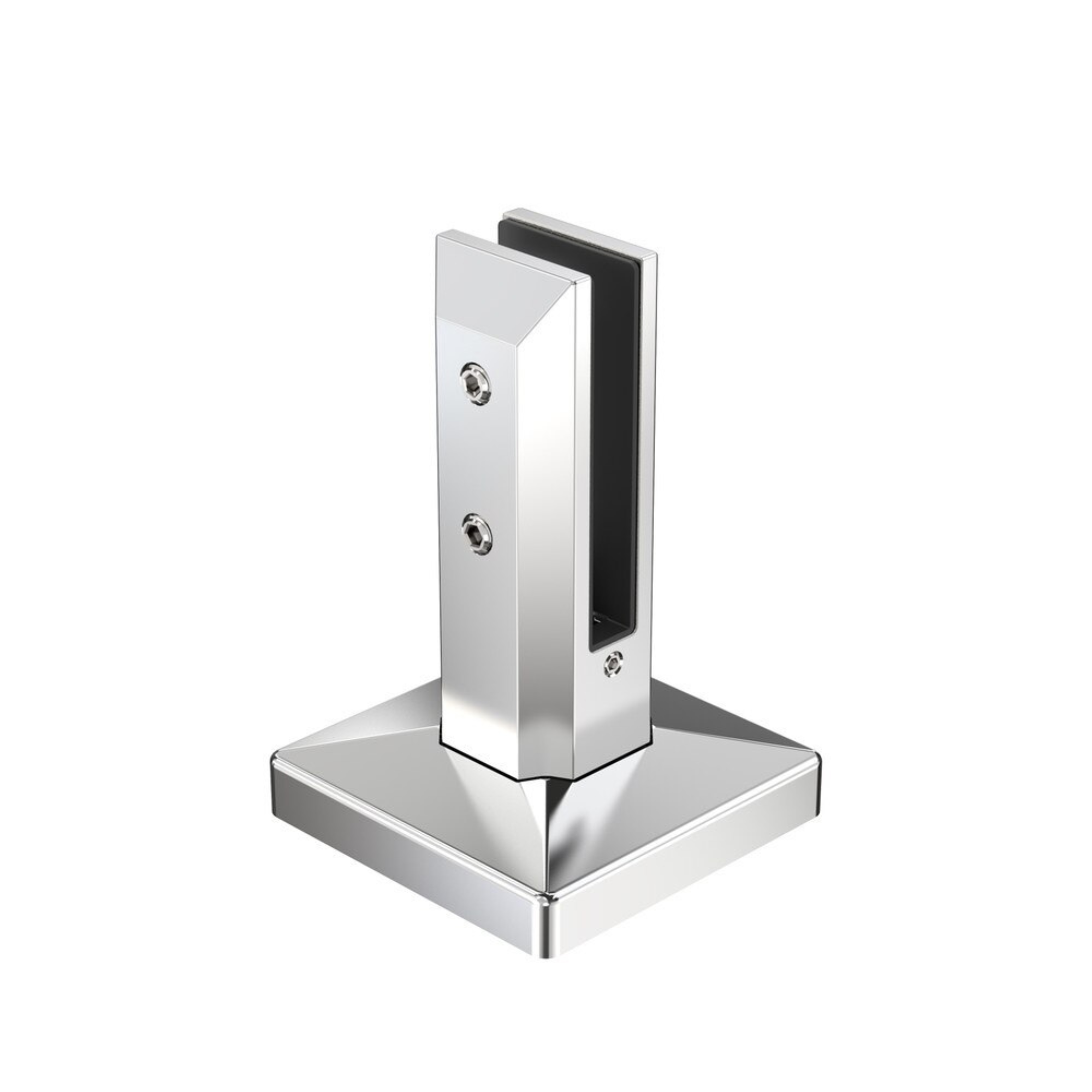
Modern systems are far more installer-friendly than many people expect. Many use hardware with built-in adjustment, allowing the glass to be aligned after placement rather than relying on perfectly level surfaces. Our products, for example, are engineered specifically to simplify alignment and reduce installation time—especially on uneven substrates.
People often don’t realize the amount of work it takes to thread cable through each run, or to install balusters every 3.5” across a deck. With glass railing, you are install glass panels 3’ or 4’ at a time. When your glass hardware is prepped correctly, you can often reduce your install times.
Can frameless glass railing be installed on wood or concrete?
Yes. Frameless glass railing systems are commonly installed on:
- Wood decks
- Concrete patios or balconies
- Interior balconies
- Stairs
- Pool areas
The key is selecting the correct mounting method and hardware for the substrate.
How much maintenance does it require?
Maintenance is minimal. Glass panels are typically cleaned with standard glass cleaner or mild soap and water. Hardware should be wiped down occasionally and checked periodically for tightness, especially on exterior installations.
Unlike wood or painted railings, there’s no need for staining, sealing, or repainting.
Will fingerprints, water spots, or dirt be noticeable?
Like any glass surface, frameless glass railing can show smudges or water spots—especially outdoors. Regular light cleaning keeps it clear, and many homeowners find the maintenance comparable to cleaning windows or glass doors.
Some choose tinted or lightly frosted glass in areas where privacy or reduced visibility of marks is preferred. There are also hydrophobic coatings available that help keep water from settling on the panel itself.
Can frameless glass railing be used around pools?
Yes, frameless glass is commonly used for pool enclosures because it provides a continuous safety barrier while maintaining full visibility into the pool area. This combination of safety and sightlines is one of the reasons glass fencing is so popular for residential pools.
Always confirm local pool barrier requirements before installation.

Does frameless glass railing add value to a home?
While value varies by market, frameless glass railing is widely viewed as a premium upgrade. It enhances visual appeal, preserves views, improves light flow, and reduces long-term maintenance—factors that many buyers find attractive.
At minimum, it often improves marketability and buyer perception.
In Closing
Frameless glass railing combines modern design with serious safety engineering. Understanding the basics—from glass types to installation and maintenance—helps homeowners make confident, informed decisions.
When paired with well-designed hardware and proper planning, frameless glass railing delivers clarity, durability, and long-term satisfaction.
